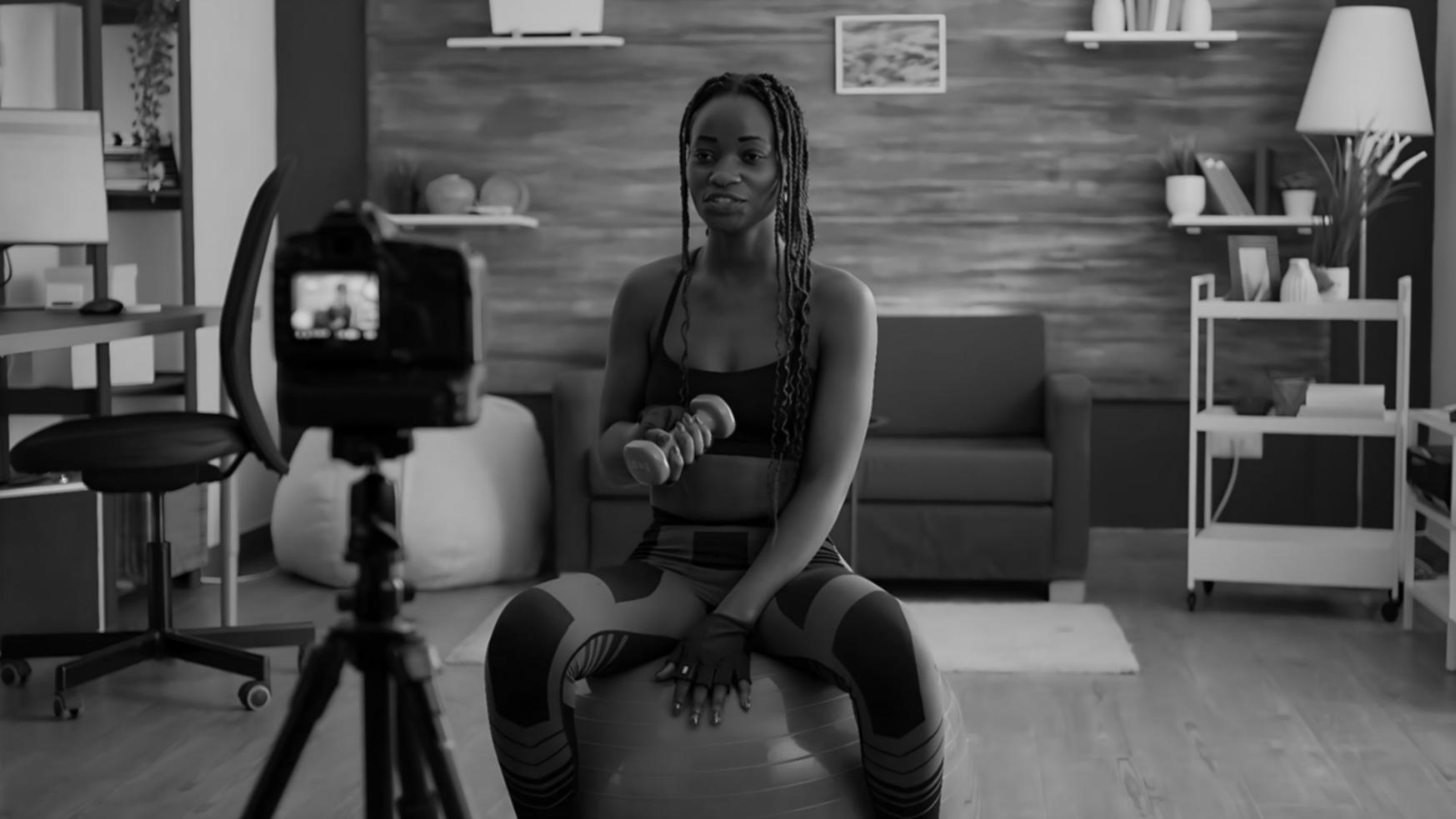
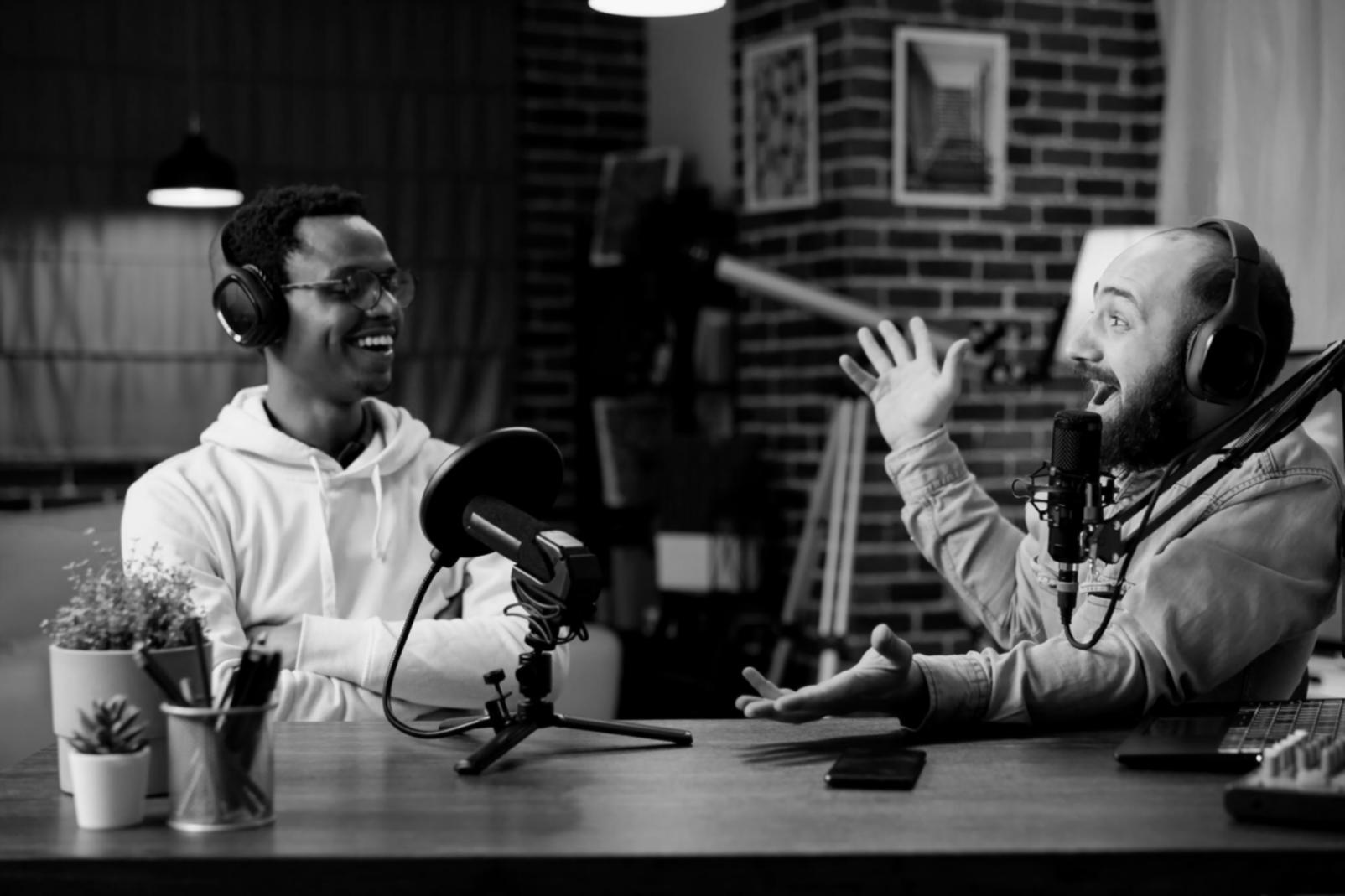
Science journalism workshop environment at Lenvomrak
Science Journalism Workshop

Not every writer
belongs here.
Some do.

Lenvomrak runs practice-oriented workshops for people who want to write about science with accuracy and clarity. The work is specific, the feedback is direct, and the expectations are real.

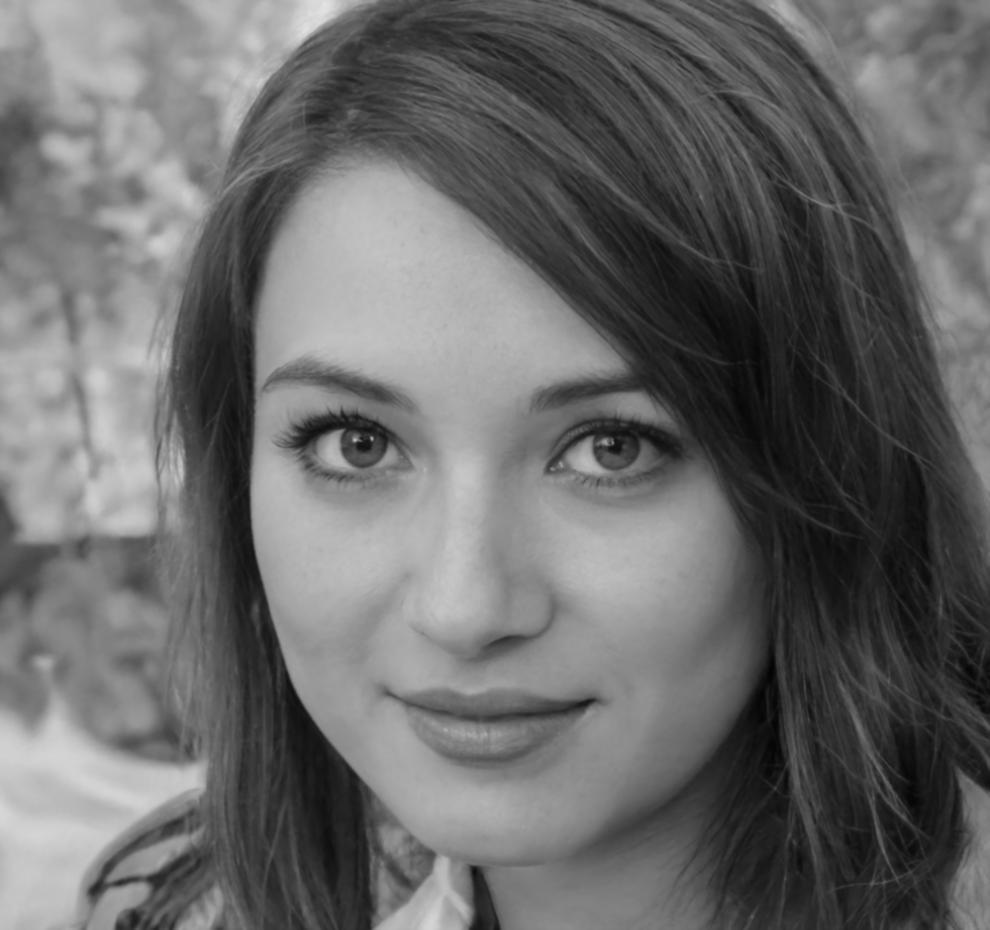
Portrait of Orsolya Fekete, lead instructor in science communication

Orsolya Fekete

Lead Instructor — Science Communication

Orsolya has spent eight years covering environmental and biomedical research for print and digital outlets across Europe. She teaches the structural side of science writing — how to handle source hierarchies, contested data, and the gap between a press release and the underlying paper.

Former science desk editor, Central European Press Group
Published in Nature News, Eos, and Undark
MSc Molecular Biology, University of Vienna
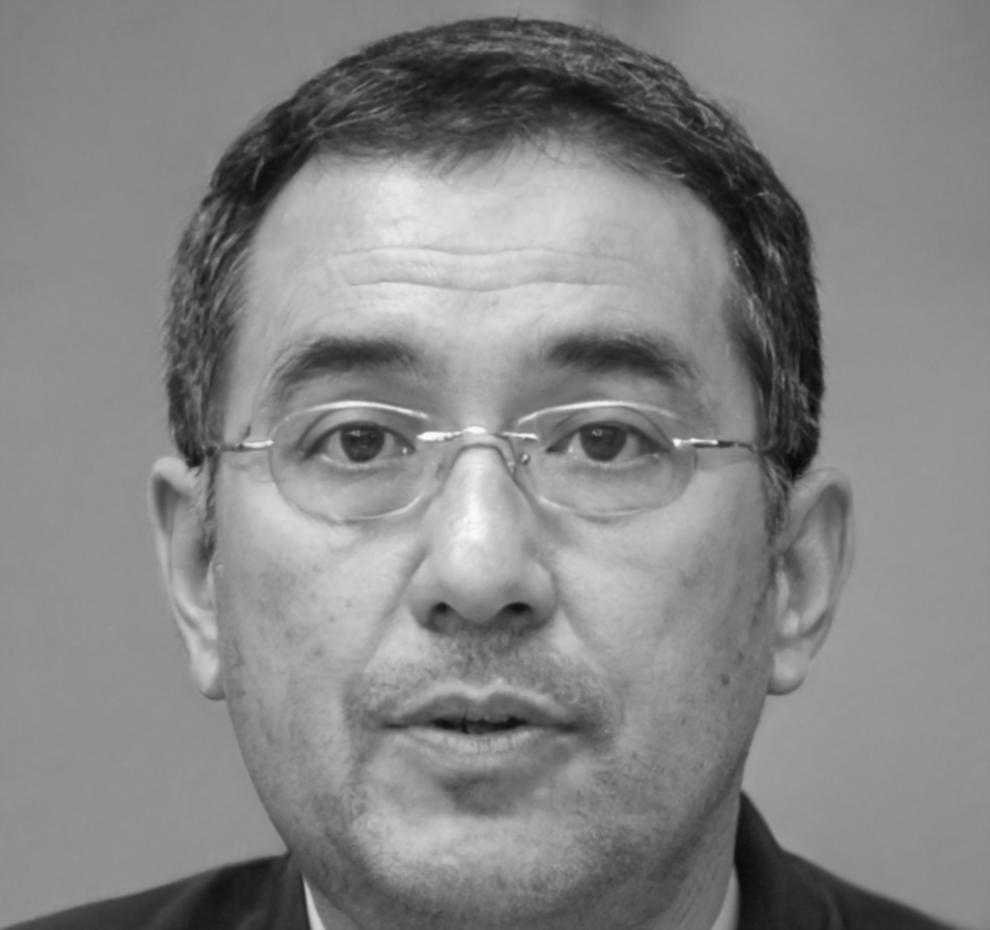
Portrait of Dariusz Kwiatkowski, workshop instructor in data and investigative science reporting

Dariusz Kwiatkowski

Workshop Instructor — Data and Investigative Reporting

Dariusz works at the intersection of data journalism and scientific accountability. His workshops focus on reading primary literature critically, verifying statistical claims, and building stories from methodology sections rather than abstracts.

Contributor to The Scientist and Science Friday
Trained in statistical literacy for non-specialist audiences
6 years investigative reporting on research misconduct

The professional
context you work within

Participants come from over 30 countries. The group includes working journalists, researchers transitioning into communication roles, and editors building science desks. The mix is deliberate — the conversations that happen between sessions are part of the learning.

Participants collaborating during a Lenvomrak science journalism workshop session

Peer review structure

Every draft goes through structured peer review before instructor feedback. Participants learn to give and receive editorial critique under the same conditions they will encounter in professional settings.

Shared assignment space

All participants work from the same source materials during assignments. Comparing how different writers approach identical research papers reveals assumptions and blind spots that individual work does not surface.

Post-workshop network

Access to the participant network does not end when the workshop does. Editors and writers from previous cohorts remain active in the shared workspace, and several have gone on to co-author pieces.

International cohort

Working alongside journalists from different media cultures sharpens awareness of how scientific claims travel across languages and editorial contexts — a skill that has no substitute in solo practice.

"The peer review sessions were uncomfortable at first. By the third week I realized that was exactly the point — my writing got sharper because the group expected precision."

— Participant, science communication cohort

"I had been writing about biology for four years before this workshop. The assignment on reading a methods section changed how I approach every interview I do now."

— Participant, investigative reporting cohort

"What I did not expect was how much I would learn from the other participants. The instructor feedback was valuable, but the group discussions were where the real editing happened."

— Participant, data journalism cohort
How results happen

The conditions that make progress possible

Progress in this kind of writing does not come from watching lectures. It comes from producing work, receiving specific criticism, and revising against a clear standard. The structure here is built around that sequence — not around content delivery.

Each workshop runs for 6 weeks. Participants submit at least 4 pieces of work for review. The expectation is consistent effort, not prior expertise.

Workshop participants reviewing drafts and editorial feedback materials
01

Assignments before theory

Each week begins with a writing task drawn from current research. Theoretical framing comes after the attempt, not before — so participants encounter the problem before the solution.

02

Specific written feedback

Feedback is delivered in writing and addresses individual sentences and structural choices. General observations are not useful at this level of work, so none are offered.

03

Revision as the core skill

All major assignments include a mandatory revision cycle. The quality of the revision is assessed alongside the original draft — because the ability to respond to editorial notes is the actual skill being built.

04

No fixed answer key

Science journalism does not have correct answers — it has better and worse editorial decisions. Assignments are designed to produce genuine disagreement, which is then worked through in group sessions.

Format

Fully remote, asynchronous with live review sessions

Cohort size

12 participants per workshop

Language

English — all materials, feedback, and sessions