
A Science Journalist's Day After Getting Rejected by 3 Editors
One journalist's honest account of restructuring her entire workflow after repeated failure
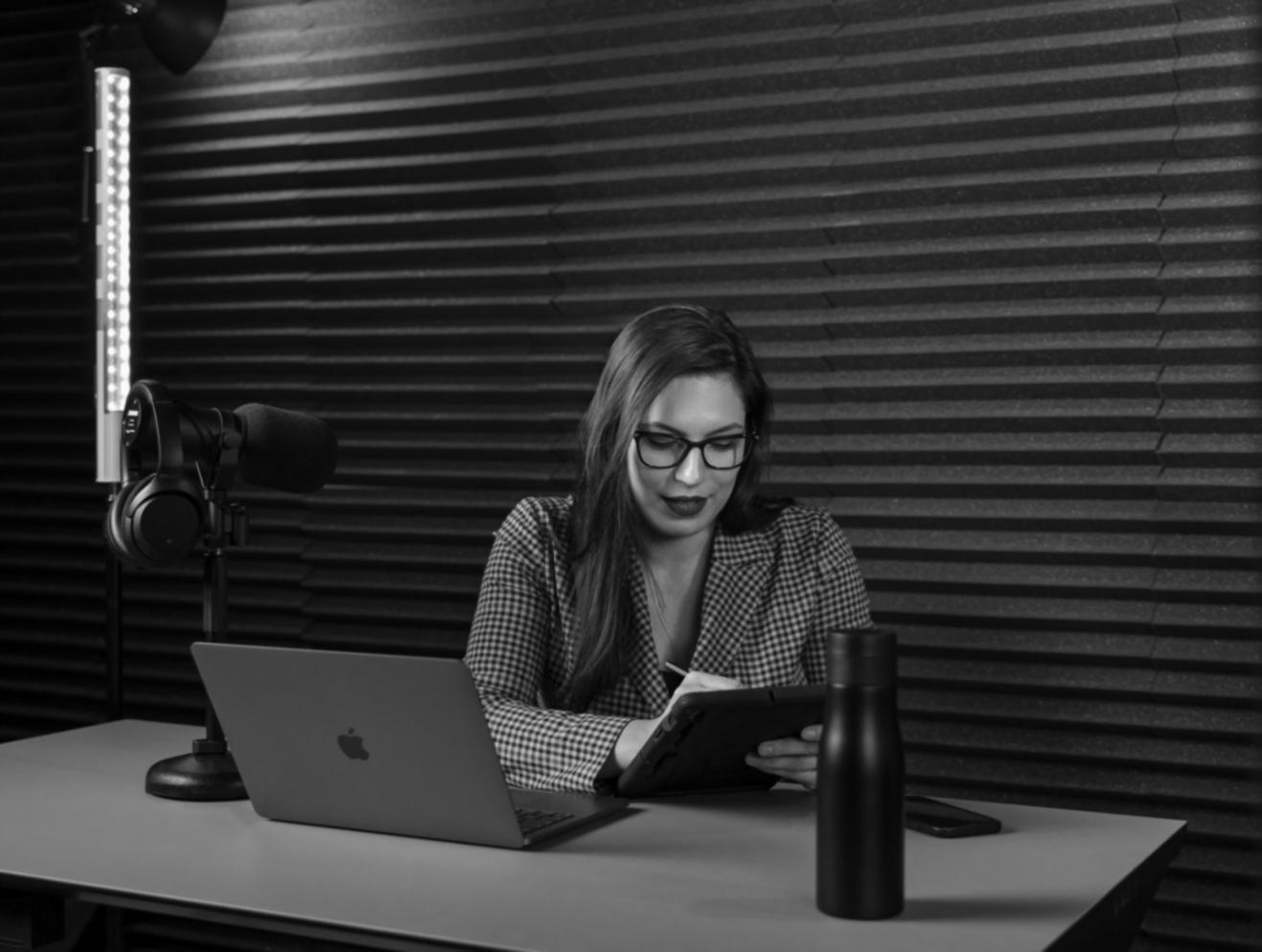
I spoke with Petra Vanlinden, a freelance science journalist based in Kyiv, who spent 2 years pitching to major outlets before landing her first byline in a science magazine. She had failed more times than she could count before she figured out what she was doing wrong.
6 a.m. — Reading before writing
Petra starts every morning by reading 4 to 6 papers published in the last 48 hours. Not to summarize them — to find the 1 thing a non-specialist would actually find strange or counterintuitive. That single detail becomes the entry point for any pitch she writes that day.
What rejection actually taught her
After her 11th rejection in a row, she stopped blaming editors and started recording why each pitch failed. Over 6 months, she identified a pattern: she was writing for scientists, not for readers. Every pitch assumed too much baseline knowledge.
Petra Vanlinden: I was explaining mechanisms when editors wanted stakes. Nobody rejected me because my science was wrong. They rejected me because my angle had no tension.
Midday — The rewrite ritual
She rewrites the opening line of every pitch at least 3 times before sending. Not the whole pitch — just the first sentence. She found that 80 percent of her early pitches failed in the first 20 words.
By 3 p.m. she is usually done pitching for the day. She spends the last 2 hours doing source interviews, which she records and transcribes manually — not because she distrusts tools, but because the act of retyping forces her to notice quotes she would otherwise skip.